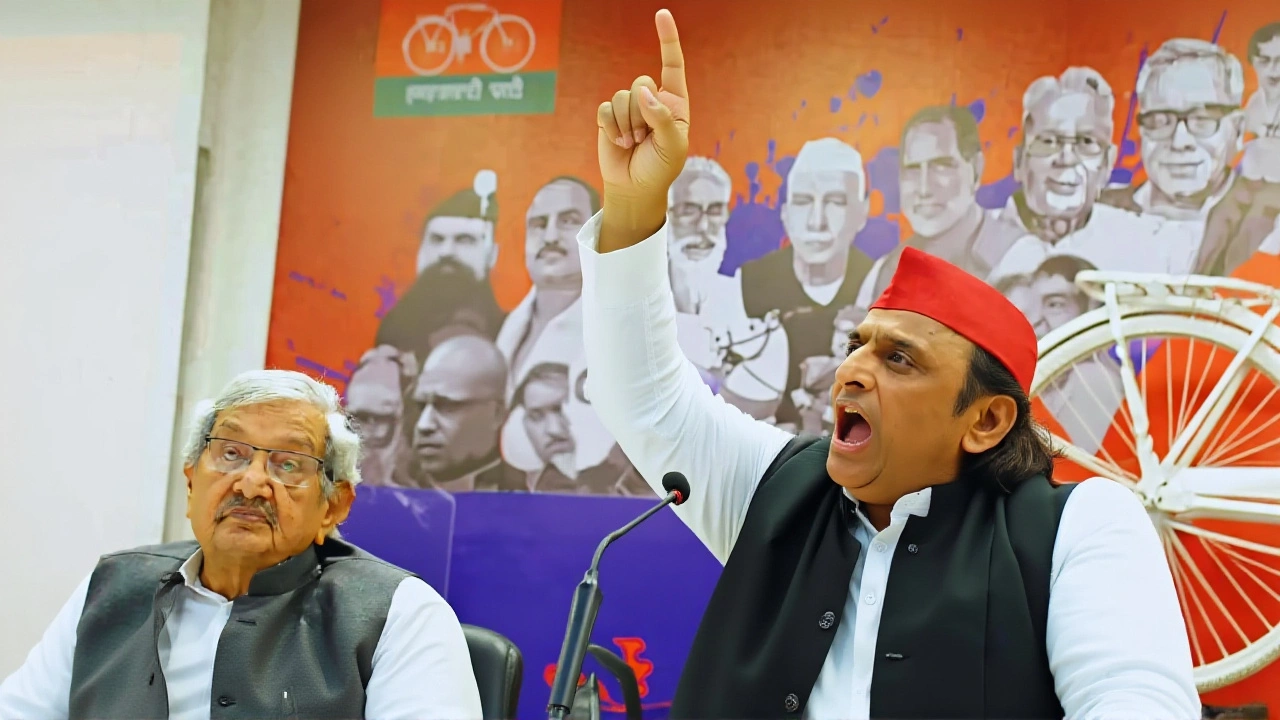
The political calculus in Lucknow has shifted dramatically. The Samajwadi Party, a dominant force in Uttar Pradesh politics, has abruptly terminated its contract with I-PAC, the high-profile political consulting firm founded by Subroto Bagchi. This decision halts all strategic planning for the upcoming 2027 Uttar Pradesh Assembly Elections, sending shockwaves through state leadership.
Here’s the thing: this wasn’t a minor tweak to campaign strategy. It was a complete teardown of a partnership forged early in 2024. Sources indicate that the split comes directly on the heels of recent assembly election results in West Bengal and Tamil Nadu, where parties associated with similar data-driven strategies faced unexpected setbacks or failed to meet projected margins.
The Sudden Breakup
Back in early 2024, the Samajwadi Party signed a formal agreement with I-PAC to handle everything from voter outreach messaging to the complex "victory equation"—the mathematical modeling required to win seats in India’s most populous state. Think of it as hiring a top-tier sports analytics team to redesign your entire playbook three years before the championship game.
But now, according to reports cited by Navbharat Times and originally breaking via The Indian Express, that deal is dead. I-PAC teams have been pulled out of Uttar Pradesh, and all ongoing work on campaign architecture has ceased. The move suggests deep internal friction within the party, compounded by external pressures.
Why the sudden exit? Three main factors are driving the wedge:
- Legal Hurdles: Unresolved contractual ambiguities and potential liabilities surrounding the scope of I-PAC’s intervention.
- Election Shockwaves: Disappointing performance metrics in recent southern and eastern state polls, raising doubts about the efficacy of the consultant’s models.
- Internal Resistance: Senior party leaders reportedly uncomfortable with outside strategists dictating core messaging and candidate selection.
Context: The Ripple Effect of Southern Polls
To understand why Lucknow is reacting so sharply to events in Kolkata and Chennai, you have to look at the broader national narrative. In West Bengal, the Bharatiya Janata Party (BJP) staged a historic comeback, ending decades of Left Front and Trinamool Congress rule. Meanwhile, in Tamil Nadu, the traditional duopoly between the AIADMK and DMK faced new challenges, altering the regional power balance.
While I-PAC wasn’t directly responsible for every outcome, the perception among SP insiders was that the data-centric approach they championed hadn’t delivered the decisive breakthroughs needed in these key battlegrounds. If the model didn’t work there, why would it magically fix Uttar Pradesh?
This isn’t just about one firm losing a client. It reflects a growing skepticism among traditional political dynasties toward Silicon Valley-style political consulting. These firms promise precision targeting and micro-segmentation, but when voters defy algorithms, trust evaporates quickly.
What Happens Next for UP Politics?
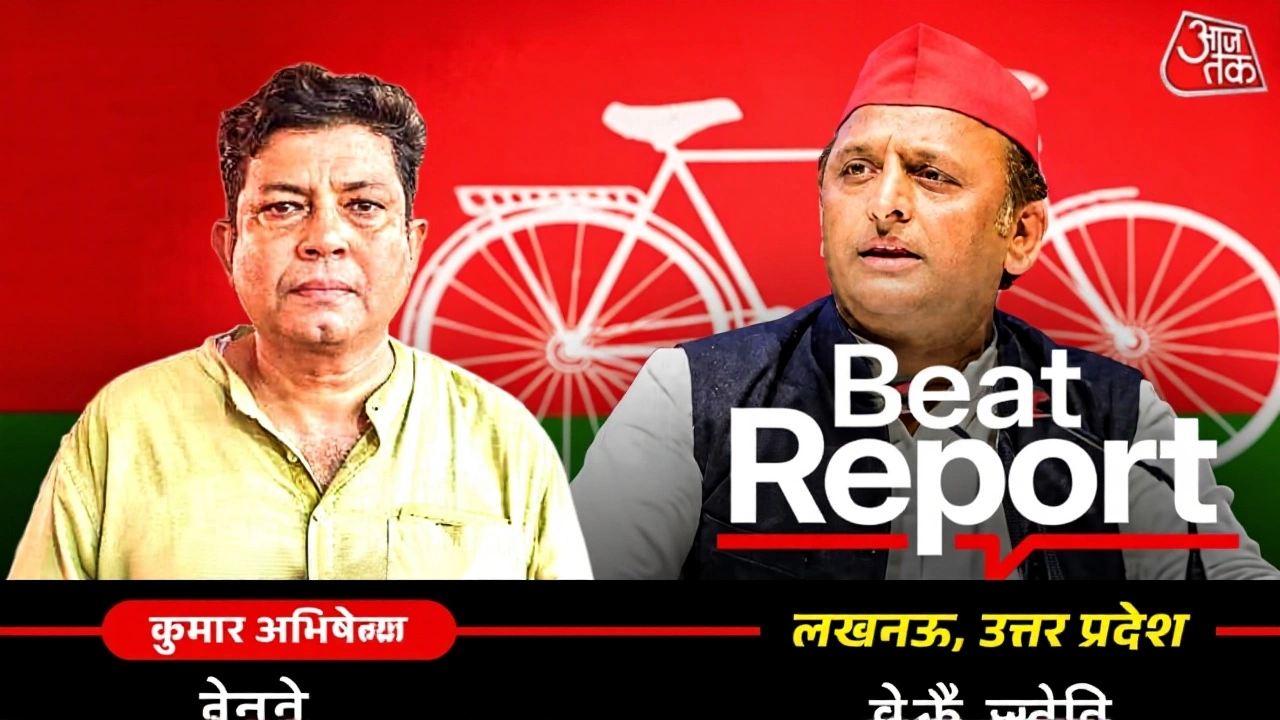
With I-PAC out, the Samajwadi Party faces a critical juncture. They need a new strategy for 2027, which feels both imminent and distant depending on who you ask. Will they go back to grassroots mobilization led by veteran workers? Or hire another consultancy?
The vacuum left by I-PAC could invite other players into the fray. Smaller boutique firms might pitch alternative approaches, while internal factions vie for control over the party’s direction. Expect increased infighting as different wings propose competing visions for how to reclaim power in Uttar Pradesh.
For voters, this means less polished advertising—but potentially more authentic engagement. Without big-budget digital campaigns shaping narratives, local issues may take center stage again.
Background: The Rise of Political Consultants
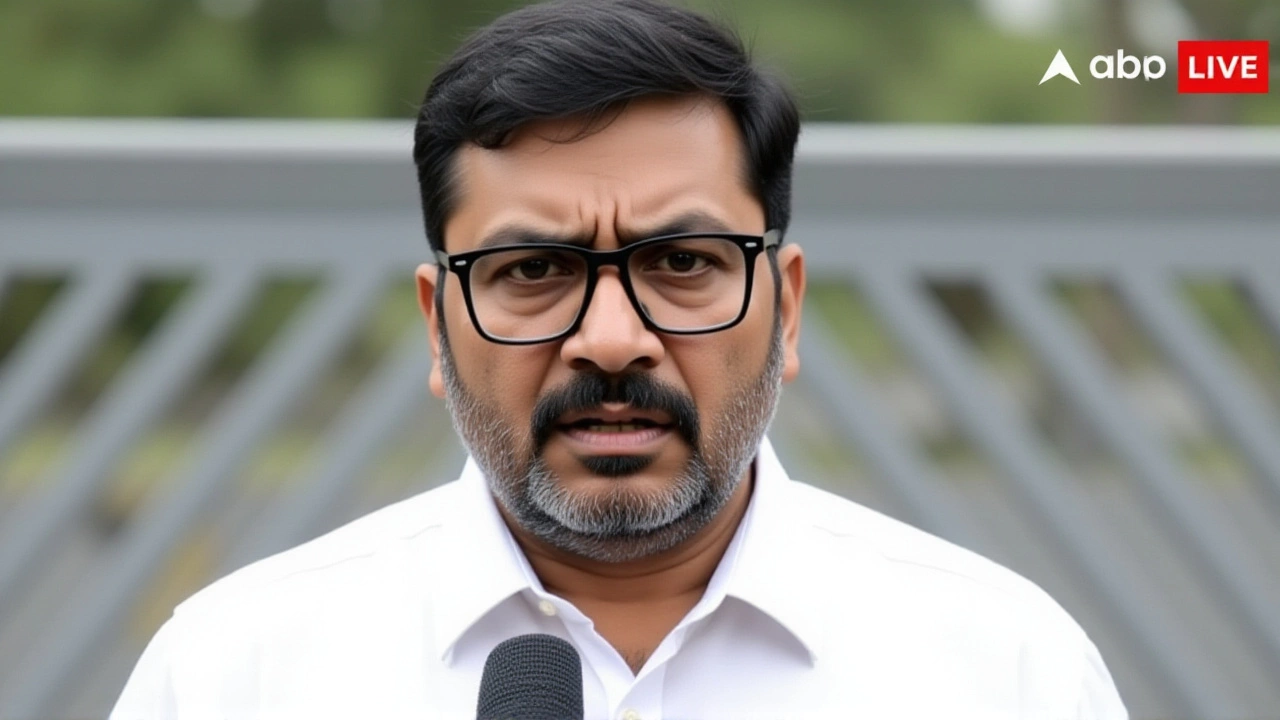
I-PAC entered Indian politics during the 2014 general elections, helping shape Modi’s initial rise. Since then, they’ve become synonymous with modern electoral engineering. Their involvement signals a shift from charisma-based campaigning to evidence-based persuasion.
Yet, their influence remains controversial. Critics argue that such consultants prioritize short-term wins over long-term policy development. Supporters counter that democracy evolves, and adapting to technological change is essential for relevance.
In Uttar Pradesh, where caste arithmetic often trumps ideology, introducing data science adds complexity rather than clarity. Can an algorithm truly capture the nuances of rural voting behavior? That question hangs heavy over this latest development.
Frequently Asked Questions
When did the Samajwadi Party sign the deal with I-PAC?
The agreement was finalized in early 2024, roughly three years ahead of the scheduled 2027 Uttar Pradesh Assembly Elections. This timing allowed I-PAC sufficient runway to conduct extensive ground surveys and develop comprehensive campaign frameworks.
Did I-PAC face legal issues with the Samajwadi Party?
Reports cite "legal hurdles" as one reason for the termination, though specifics remain unclear. These likely involve disputes over deliverables, payment terms, or intellectual property rights related to proprietary data collected during their tenure.
How do West Bengal and Tamil Nadu election results affect UP?
These states serve as testing grounds for national trends. Poor performances by allies or competitors using similar consultancies raised concerns about the universal applicability of I-PAC’s methods, prompting cautionary measures in larger states like Uttar Pradesh.
Who will replace I-PAC for the 2027 elections?
No replacement has been announced yet. The Samajwadi Party may opt for an in-house strategy team or engage smaller regional consultants. Internal debates continue regarding whether technology should drive future campaigns or if human intuition holds greater value.
Is this common for political parties to fire consultants mid-cycle?
Yes, especially after poor intermediate results. High-stakes environments demand accountability, and when promised outcomes fail to materialize, relationships sour rapidly. Such breakups highlight the precarious nature of advisory roles in volatile political landscapes.