
It’s a painful sight at the pump. In Sikar, Rajasthan, petrol has officially crossed the psychological barrier of ₹113 per liter. For drivers in this bustling district of western India, the pain isn’t just about one hike—it’s the relentless frequency. Over a span of just 11 days, fuel rates have been revised four times, turning every trip into a calculated expense.
The latest adjustment pushed the retail price of petrol to ₹113.59 per liter, according to local reports from Sanchar City. Diesel didn’t escape either, seeing a cumulative rise of ₹7.57 per liter during that same chaotic fortnight. It’s not just a number on a screen; it’s a direct hit to household budgets across the region.
A Perfect Storm of Hikes
Here’s the thing: these aren’t minor fluctuations. We’re talking about significant jumps in a very short window. The most recent revision added ₹2.82 to petrol and ₹2.72 to diesel overnight. When you stack that against the previous three hikes in the last two weeks, the math becomes staggering for daily commuters and transport operators alike.
Data from NDTV's fuel rate tool confirms the trend. On May 24, 2026, Sikar saw a sharp jump of ₹3.12 per liter for petrol alone. Before that, prices were hovering around ₹110.25. Now? They’ve settled firmly above ₹113. It’s a clear signal that the upward trajectory is accelerating, not stabilizing.
What the Historical Data Shows
To understand why this feels so sudden, we have to look back. Financial tracker GoodReturns shows that as recently as April 1, 2026, petrol in Sikar was priced at ₹105.59 per liter. By May 1, it had crept up to ₹106.03. That seems manageable—until you see what happened next.
The trend line is labeled "Rising" for good reason. In late October 2025, there was a massive spike where petrol jumped by ₹24 per liter, briefly touching an eye-watering ₹166. While prices corrected downward afterward, they never returned to their pre-spike levels. Instead, they found a new, higher baseline. Now, with the current surge, we’re seeing that baseline push even higher.
Earlier this year, another report from Shekhawati AB-Tak News highlighted a similar pattern. In a single day, petrol rose by ₹3.25 (from ₹105.65 to ₹108.90) and diesel by ₹3.20. These aren’t isolated incidents; they’re part of a consistent strategy by oil marketing companies to adjust margins based on global crude trends and currency fluctuations.
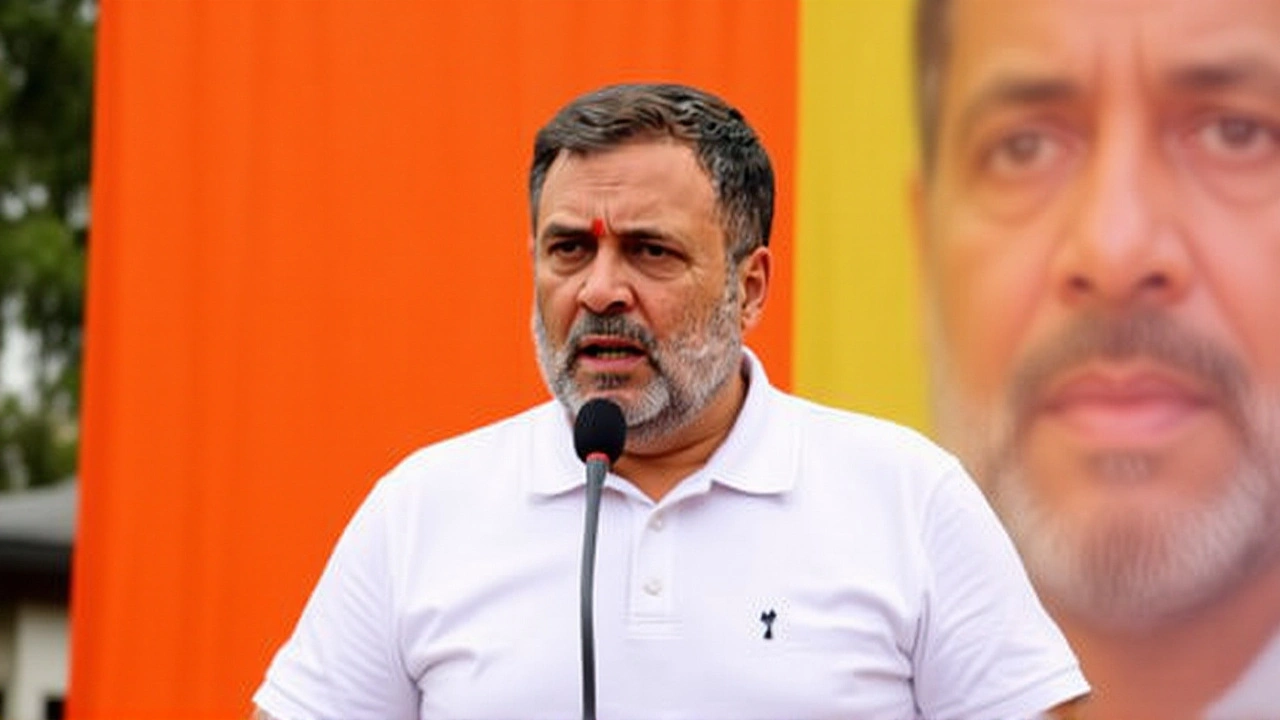
The Human Cost of Rising Fuel
Turns out, numbers don’t tell the whole story. For a farmer in Sikar transporting crops, or a student commuting to Jaipur, a ₹7.57 increase in diesel over 11 days means fewer trips, delayed deliveries, or squeezed savings. Local media outlets like Maruchakra have emphasized that this financial burden falls squarely on consumers, with no immediate relief in sight.
Transport unions are already raising alarms. A steady increase in diesel costs directly impacts freight charges, which eventually trickles down to the price of vegetables, electronics, and clothing. It’s a ripple effect that starts at the fuel pump but ends in your grocery bill.
Why Are Prices Spiking Now?
The details are still somewhat opaque, but industry experts point to a combination of factors. Global crude oil prices remain volatile due to geopolitical tensions in key producing regions. Additionally, the value of the Indian rupee against the US dollar plays a crucial role. When the rupee weakens, importing oil becomes more expensive, forcing domestic companies to pass those costs onto buyers.
There’s also the matter of state taxes. Rajasthan has some of the highest VAT rates on fuel in India. Even if central excise duties drop slightly, high state levies can keep retail prices stubbornly high. This disconnect often leaves consumers feeling powerless against market forces.

What’s Next for Consumers?
For now, the advice is simple: plan ahead. If you know you need to fill up, do it before the midnight deadline when revisions typically take effect. Keep an eye on daily updates from reliable sources like NDTV or GoodReturns, as prices can change without warning.
Experts suggest monitoring the upcoming quarterly tax review. If the government decides to reduce GST or VAT on fuels, it could provide temporary relief. However, given the current economic climate, such moves are unlikely to be substantial. Until then, Sikar residents will continue to watch their wallets shrink alongside the rising needle on the fuel pump.
Frequently Asked Questions
How much did petrol increase in Sikar recently?
In the latest revision, petrol prices in Sikar increased by ₹2.82 per liter, bringing the total cost to ₹113.59. This was the fourth hike in just 11 days, reflecting a rapid escalation in fuel costs across the region.
What is the current diesel price in Sikar?
While exact current figures fluctuate daily, diesel has seen a cumulative increase of ₹7.57 per liter over the past 11 days. The most recent hike added ₹2.72 to the diesel rate, significantly impacting transport and logistics costs.
Why are fuel prices rising so frequently?
Frequent hikes are driven by volatile global crude oil prices, currency exchange rates, and periodic adjustments by oil marketing companies. Additionally, high state VAT rates in Rajasthan contribute to keeping retail prices elevated despite minor changes in international markets.
When does the new fuel price come into effect?
New fuel prices in India typically come into effect at midnight (12:00 AM) every day. Consumers in Sikar should check updated rates before filling up, as prices can change daily based on international market trends.
Is there any expected relief for consumers soon?
Currently, there are no announced government interventions or tax cuts specifically aimed at reducing fuel prices in Sikar. Experts advise monitoring quarterly tax reviews, but immediate relief remains unlikely given current economic pressures.