When Babar Azam stepped up to the crease on November 14, 2025, at the Rawalpindi Cricket Stadium, he wasn’t just chasing runs — he was chasing redemption. After a 14-month drought without an ODI century, the Babar Azam who once ruled the batting charts delivered a masterclass: 100 runs off 115 balls, no sixes, just precision, patience, and poise. His knock didn’t just win the second ODI against Sri Lanka — it sealed the series. Pakistan won by eight wickets, chasing down 289 with 10 balls to spare, and now hold an unassailable 2-0 lead in the three-match series. The third and final game, scheduled for November 16 at the same venue, is now merely a formality — unless Pakistan wants to complete a 3-0 sweep.
How Pakistan Controlled the Chase Like a Clockwork Machine
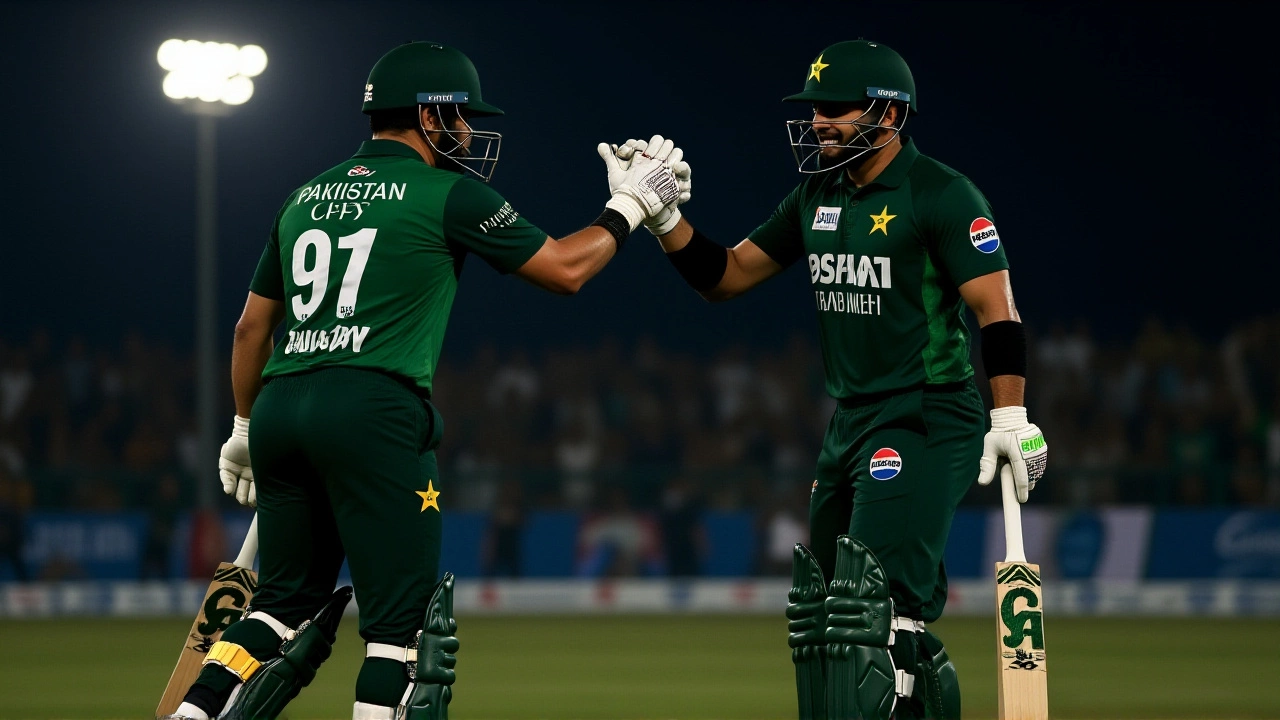
Pakistan didn’t just chase — they engineered it. After winning the toss and electing to field, they watched Sri Lanka post 288/8, a total that looked competitive but never truly threatening. Four Sri Lankan batters crossed 30, but none broke 55. Wanindu Hasaranga, who took three wickets in the first ODI, was dropped on 24 by Babar himself in the 49th over — a moment that would haunt Sri Lanka. Pakistan’s bowling, led by Haris Rauf (3/66), kept the pressure on, especially during the crucial Powerplay 3 (overs 41–50), where Sri Lanka managed only 75 runs and lost three wickets.The chase began with Fakhar Zaman and Saim Ayub putting on 50 in 34 balls, setting a tone of aggression. Then came the pivot: Fakhar’s dismissal at 18 left Pakistan at 50/1, and the spotlight turned to Babar. At 9, he looked tentative. By 50, he was in full flow. The partnership with Mohammad Rizwan — 103 runs off 93 balls — was the spine of the innings. Rizwan, unbeaten on 51 off 54, played the perfect foil: aggressive when needed, anchoring when the pressure mounted. Their 112-run stand, as confirmed by Pakistan Cricket Board highlights, came even faster than the official scorecard suggested — a sign of intelligent, ruthless batting.
The Unspoken Victory: Babar’s Return and Pakistan’s Psychological Edge
This wasn’t just about runs. It was about belief. Babar Azam’s last ODI century had come in September 2024. Since then, critics questioned his form, his leadership, even his place in the team. His century on November 14 wasn’t just his 20th in ODIs — it was a statement. He faced 115 balls, hit eight fours, and didn’t hit a single six. No fireworks. Just control. And that’s what made it so devastating. As one former Pakistani captain put it on social media: “He didn’t need to hit sixes. He just needed to be there. And he was.”For Pakistan, this series win marks their 15th ODI series victory over Sri Lanka — and their fourth consecutive. Since 2019, Sri Lanka has lost every ODI series against Pakistan on home soil. The pattern is clear: Pakistan’s middle order, once a weakness, is now its greatest strength. And with Rizwan, Azam, and even the emerging Saim Ayub (21 off 24) delivering, the team looks balanced, confident, and hungry.
What the Numbers Say About Pakistan’s Dominance
- Powerplay 2 (overs 10.1–40.0): Pakistan scored 158/1 — just one wicket lost, the highest run rate of the innings.
- Powerplay 3 (overs 40.1–50.0): 54 runs without losing a wicket — the perfect acceleration.
- Extras: 23 — unusually high, but a sign of Sri Lanka’s lack of accuracy, not Pakistan’s luck.
- Run rate: 5.81 — steady, not frantic. Exactly what a chase of this size requires.
- Wickets lost: 2 — the fewest in any Pakistan ODI chase over 250 since 2021.
The officiating team — umpires Sharfuddoula Saikat (Bangladesh), Faisal Afridi (Pakistan), and Alex Wharf (England), with match referee Ali Naqvi — kept things clean. No controversies. Just cricket, played at a high standard.
Why This Matters Beyond the Scoreboard
This series win isn’t just about pride. It’s about momentum. With the 2026 ICC Champions Trophy looming, Pakistan needed to prove they could dominate a touring side in home conditions. Sri Lanka, despite being ranked 10th in ODIs, brought a competitive squad. Yet Pakistan didn’t just win — they outclassed them. The bowling attack, led by Rauf and Shaheen Afridi (who took two wickets in the first ODI), looks settled. The batting, anchored by Babar and Rizwan, is firing.For Sri Lanka, the tour has been a reality check. They’ve lost 11 of their last 12 ODIs against Pakistan since 2019. Their spinners, once feared, were neutralized. Their top order, inconsistent. And their fielding — sloppy. They’ll leave Pakistan with little to celebrate, and plenty to rebuild.
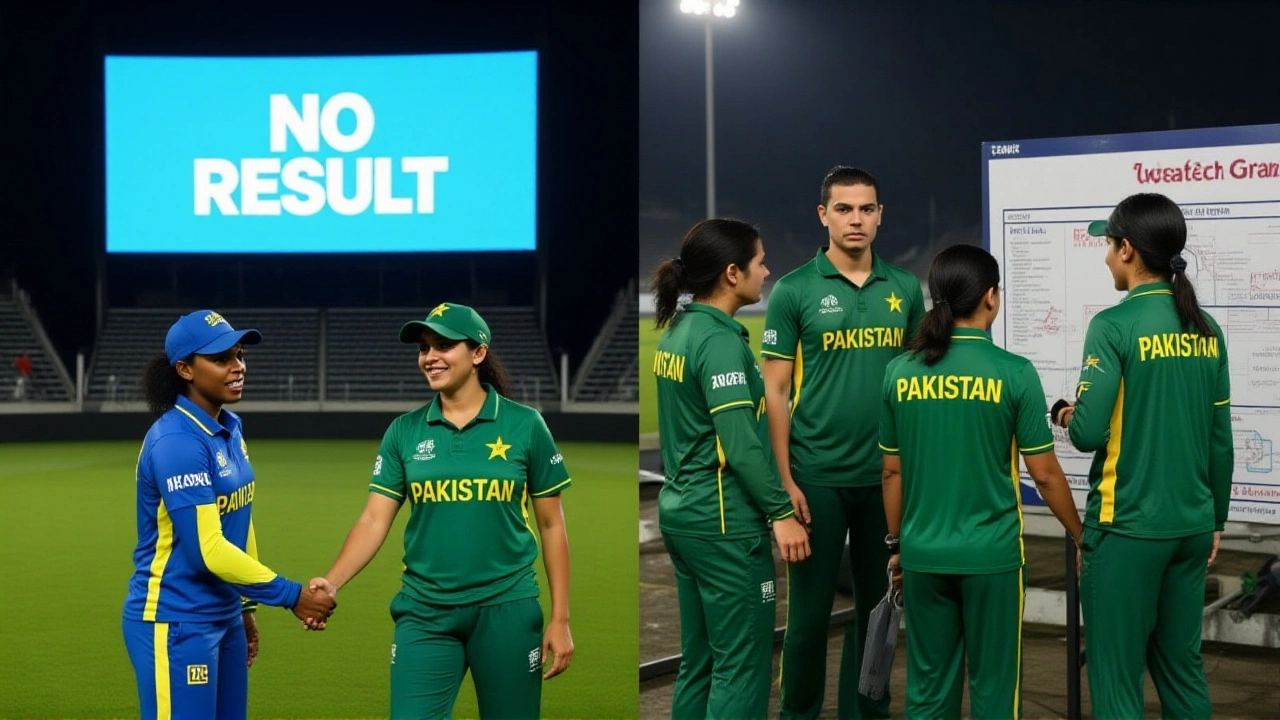
What’s Next? The 3-0 Dream and the Road to the Champions Trophy
The third ODI on November 16 is the only thing left to play for. Pakistan will want a clean sweep — not just for stats, but for morale. A 3-0 win would be their first series sweep over Sri Lanka since 2017. It would also be the first time since 2021 that Pakistan has won three ODIs in a row against any team on home soil.For Babar, a century in the final match would make it three consecutive ODI centuries — a feat he’s never achieved. For Rizwan, it’s about proving he’s the most reliable finisher in the current team. And for Pakistan’s fans? It’s about seeing their team play with the kind of authority that makes opponents fear them again.
Frequently Asked Questions
How significant is Babar Azam’s 100 in this context?
Babar’s 100 was his 20th ODI century and first in 14 months, ending intense scrutiny over his form. It’s only the 11th time in Pakistan’s history that a captain has scored a century in a winning chase against Sri Lanka. This knock, with zero sixes, showed maturity — not power — was the key to victory.
Why did Sri Lanka struggle despite having a strong spin attack?
Pakistan’s batters targeted the short ball and exploited gaps in the field during Powerplay 2 and 3. Sri Lanka’s spinners, especially Hasaranga, bowled too many full tosses and wide deliveries under pressure. Pakistan’s 23 extras — the highest of the match — came mostly from poor line and length, not poor batting.
What’s the historical record between Pakistan and Sri Lanka in ODIs?
Pakistan leads the head-to-head ODI record 72-44 in 120 matches. In series wins, Pakistan holds a 15-5 advantage over Sri Lanka. Since 2019, Pakistan has won all four ODI series against Sri Lanka — including three in Pakistan — with an average margin of victory of 78 runs or 8 wickets.
Could this series win impact Pakistan’s Champions Trophy seeding?
Absolutely. A 3-0 win boosts Pakistan’s ODI ranking points, potentially lifting them into the top 5. That could mean a favorable group in the 2026 Champions Trophy, avoiding teams like India or Australia in the group stage. Momentum matters more than rankings — and right now, Pakistan has both.
Who are the key players to watch in the final ODI?
Babar Azam and Mohammad Rizwan are the obvious ones, but keep an eye on Saim Ayub — he’s averaging 67 in this series. On the bowling side, Haris Rauf’s death-over control and Naseem Shah’s swing could be decisive. If Sri Lanka’s top order fails again, their chances vanish fast.
Why is this series being played entirely in Rawalpindi?
The PCB chose Rawalpindi to minimize travel logistics and maximize crowd support. The stadium has a reputation for high-scoring games and a passionate, partisan crowd — ideal for building home advantage. It’s also the only venue in Pakistan with a confirmed ICC-approved pitch for ODI cricket in the current season.